Hello there! I am a passionate and dedicated master of data. I specialize in turning complex data into actionable insights and building intelligent systems that drive innovation. With a strong background in Machine and Deep Learning, I have honed my skills in data analysis, predictive and generative modeling, and deploying machine learning solutions to solve real-world problems.
My short-term goals include staying at the cutting edge of both practical application and research within the fields of deep learning, machine learning, and data science.
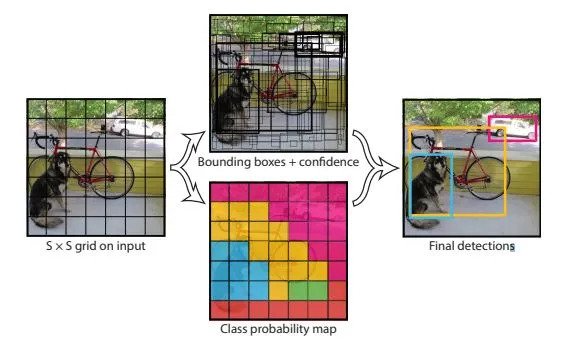
View ResumeImplementation in Pytorch of the famous "You Only Look Once" object detection paper. This algorithm is very popular and mostly used in real-time object detection systems due to its speed.
Implementation of a fraud detector using Apache Spark for distributed processing and XGBoost for classifiaction. The classifiaction model achieves 85% AreaUnderROC.
This chat bot is powered by ChatGPT language model. It uses external knowledge to answer questions about dental aligners. In this case, prior to the Q&A, a 300 pages knowledge book was transformed into embeddings, and used to calculate a similarity metric against the presented query. Finally, the most relevent information is inserted into the prompt. The prompt is displayed with the bot answer to better understand where the answer comes from.
This article presents a study on the feasibility of detecting cognitive distraction using eye tracking. It is the result of a master's project that intersects the fields of cognitive neuroscience, virtual reality, and machine learning. The study was originally designed to include both eye tracking and EEG, but due to space constraints, only the eye tracking results are presented in this article.The study found that eye tracking is a promising tool for detecting cognitive distraction. Participants who were distracted showed significant changes in their eye tracking data, such as increased fixation duration and decreased saccade amplitude. The study also developed a machine learning model that can accurately detect cognitive distraction using eye tracking data.
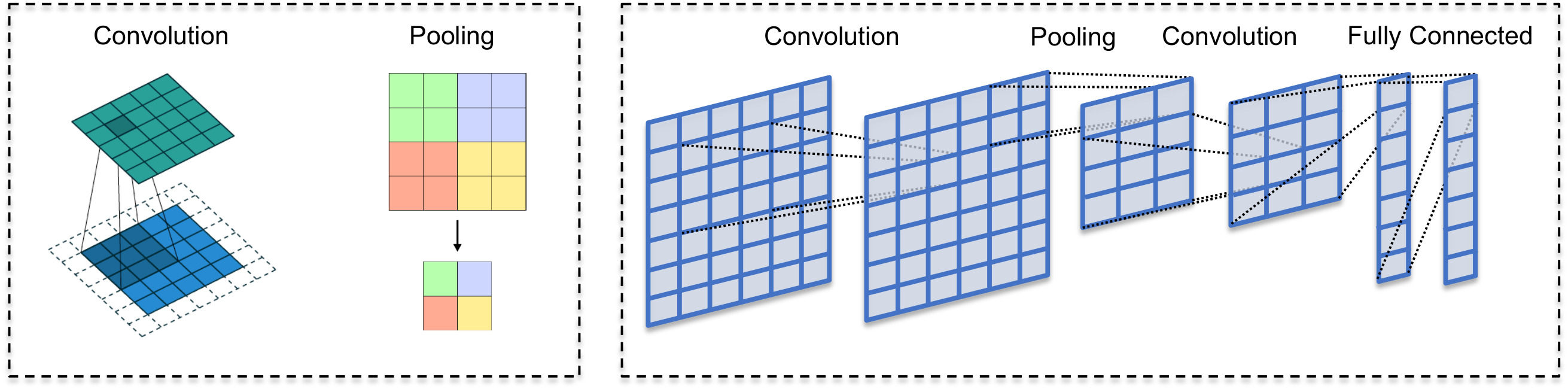
This project implements a CNN from scratch using only NumPy as a matrix operation library. The function call and usage is similar to PyTorch, and the project achieves comparable results to Pytorch. This project is intended as an exercise to better understand these architectures.
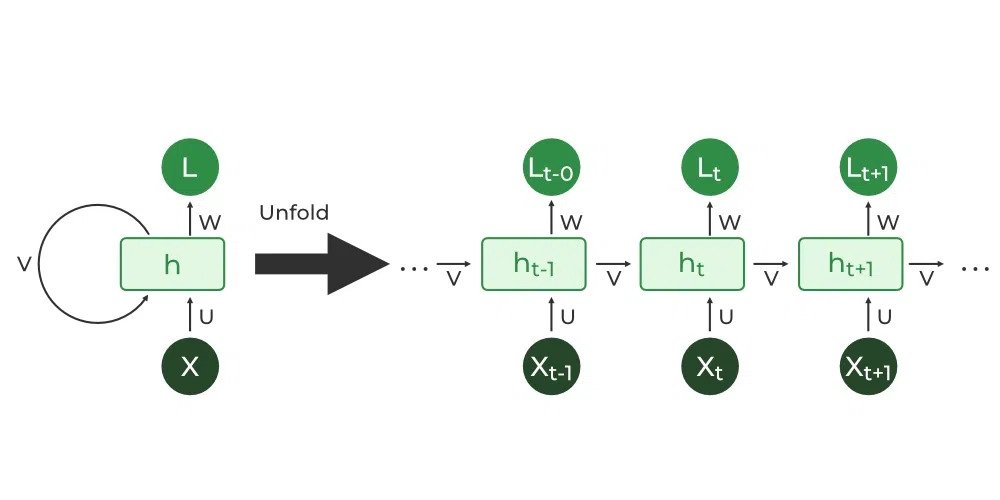
This project implements an RNN and an LSTM from scratch using only NumPy as a matrix operation library. The function call and usage is similar to PyTorch, and the project achieves reasonable results. This project is intended as an exercise to better understand these architectures.